

EU travel: Spain tightens Italy travel checks after Rome suspends Schengen arrangements
Temporary measures affect major airports as tensions grow between European partners
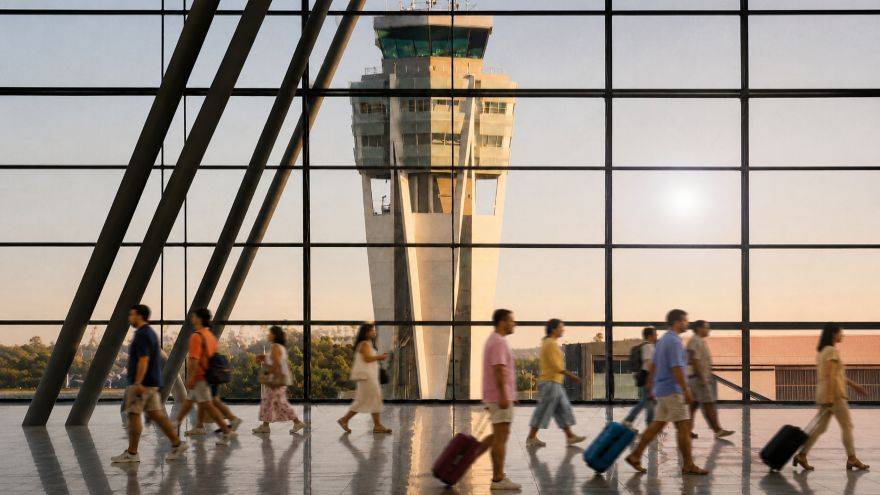
DUBAI – Spain has begun checking travellers arriving from Italy, escalating a diplomatic dispute between the two European Union partners over irregular migration.
The temporary controls came into force on Saturday, after Italy introduced similar measures for people travelling from Spain.
The reciprocal restrictions have disrupted the normally passport-free movement between the two Schengen countries.
Airport checks
Spanish authorities carried out checks on around 200 travellers arriving from Italy at six major airports, including Madrid, Barcelona, Seville, Bilbao, Alicante and Valencia, according to Reuters.
Madrid announced the measure on Friday, saying continued irregular migration pressure facing Italy had prompted the decision. The checks apply to arrivals travelling by air and sea from Italy and are expected to remain in place until September 7.
The move followed Italy’s decision at the end of July to temporarily suspend the Schengen free-movement arrangements with Spain. Rome said its measures would apply to travellers arriving from Spain and were linked to concerns arising from a major migration surge involving Spain’s North African enclave of Ceuta.
Italy’s restrictions took effect on August 1 and were initially set to last for at least 15 days. Italian authorities said the controls were focused on non-EU nationals travelling from Spain, rather than EU citizens.
Migration dispute
The dispute intensified after about 72,000 migrants arrived in Ceuta from neighbouring Morocco on July 30, according to Reuters. Italy argued that the situation created wider security and migration concerns, while Madrid criticised Rome’s response and moved to introduce reciprocal checks.
The latest measures are unusual within the Schengen area, where internal border controls are generally removed to facilitate free movement. However, EU rules allow member states to temporarily restore checks at internal borders in exceptional circumstances involving serious threats to public order or internal security.
European Commissioner for Internal Affairs and Migration Magnus Brunner said on Saturday that he had spoken with the Spanish and Italian interior ministers. Both governments confirmed to him that their internal border controls were temporary, according to the Spanish government’s announcement.
I was in contact with both the Spanish and Italian Interior Ministers today. Both confirmed that the internal border controls are temporary. I stressed the progress we’ve made on tackling illegal migration and that trust between Member States is our most valuable currency.
— Magnus Brunner (@magnusbrunner) August 8, 2026
The measures have nevertheless created additional checks for passengers travelling between the two countries, particularly those using direct air and sea connections. Italy and Spain do not share a land border, meaning the restrictions primarily affect flights and maritime travel between them.
Italian Foreign Minister Antonio Tajani has indicated that Rome could review its measures if the perceived migration and security risk decreases, while Madrid’s controls are currently scheduled to continue into September.